Have you ever received a message saying “OTW 🚗” and wondered whether the person had actually left or was just about to?
A friend texts:
Alex: Where are you?
Jordan: OTW. Be there in 10.
Simple, right? Yet this tiny abbreviation can carry different meanings depending on the conversation, relationship, and context. Sometimes it literally means someone is traveling. Other times, it’s a polite way of saying, “I’m leaving now”—even if they’re still looking for their keys.
As texting becomes faster and more casual, abbreviations like OTW have become part of everyday digital language. People search for OTW meaning in text because they see it in Snapchat, TikTok, Instagram DMs, WhatsApp, gaming chats, and group conversations, where context often changes its meaning.
Let’s explore what OTW really means, how people actually use it, and why this short acronym has become a staple of internet communication.
Quick Definition & Meanings
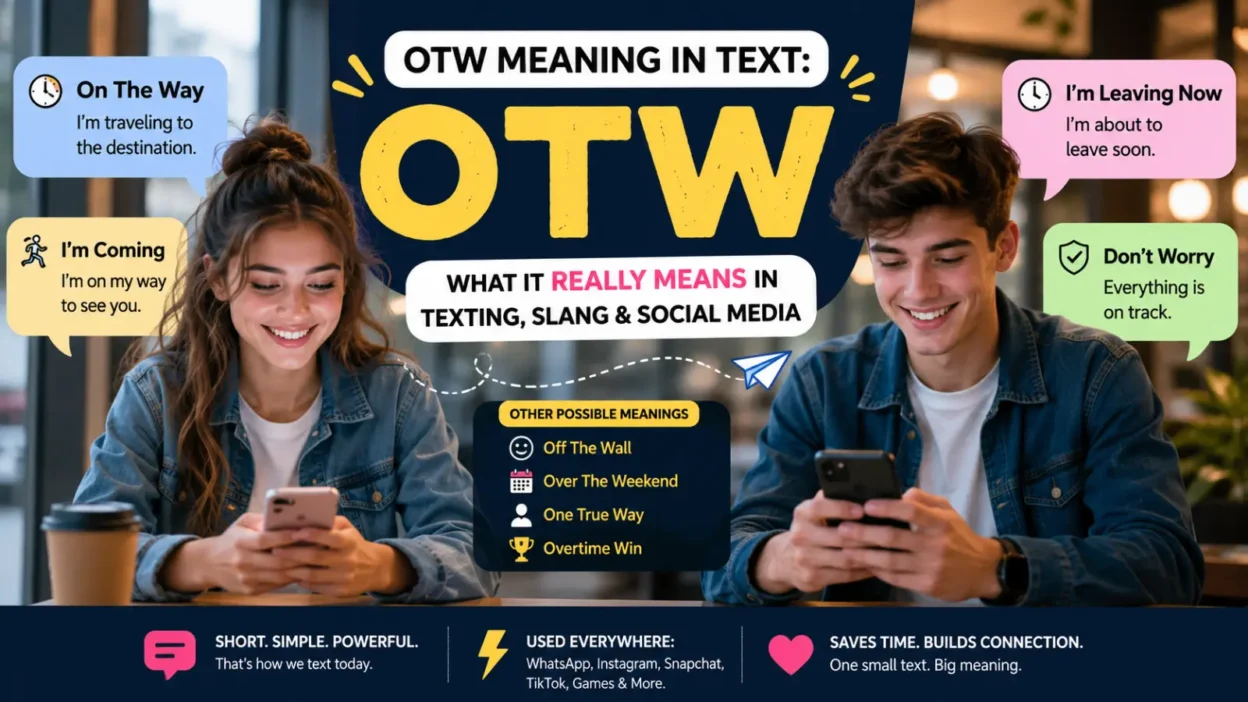
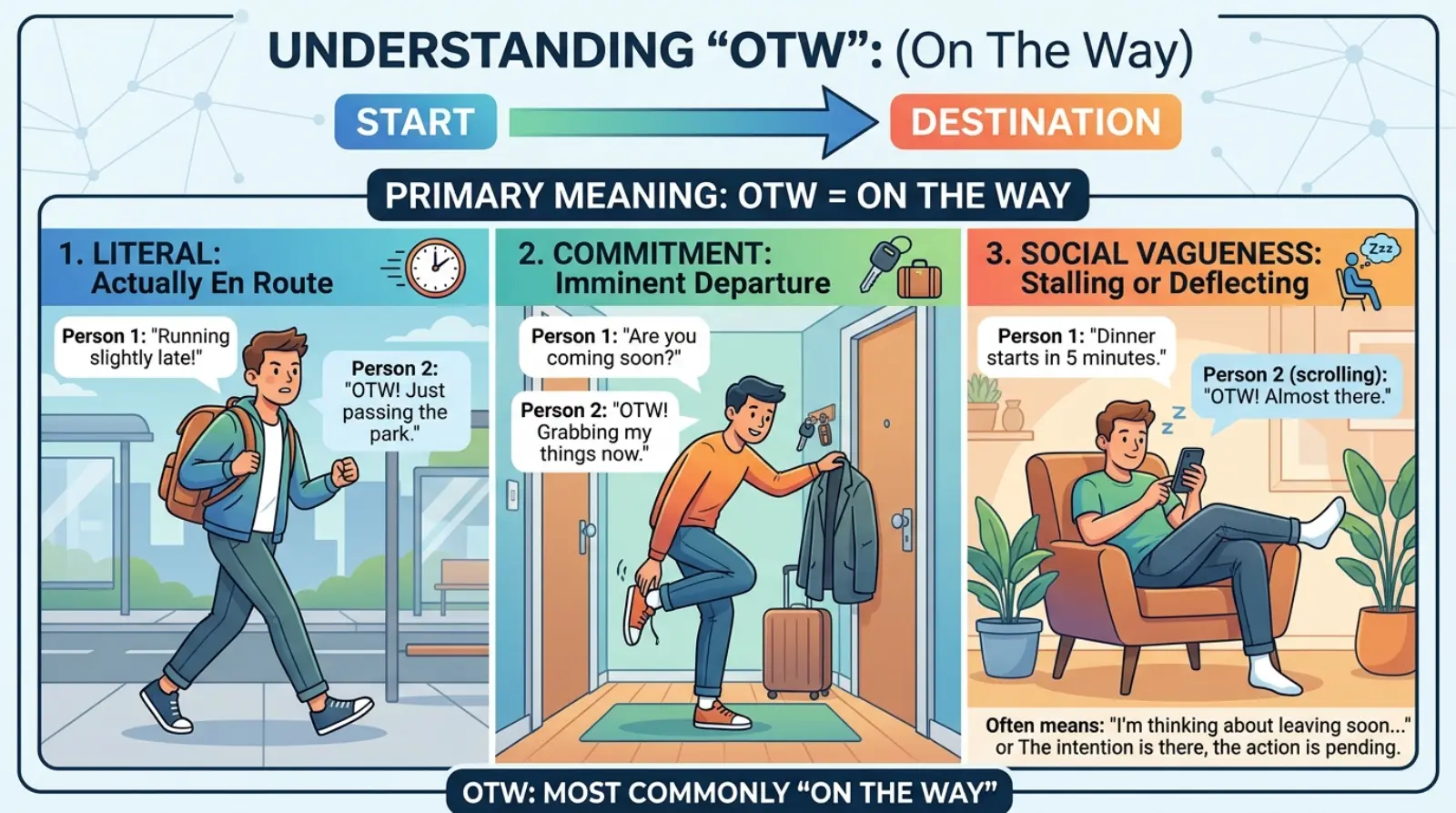
OTW most commonly stands for “On The Way.”
It tells someone that you’re traveling toward a destination or are about to leave for it.
Primary Meaning
OTW = On The Way
Example
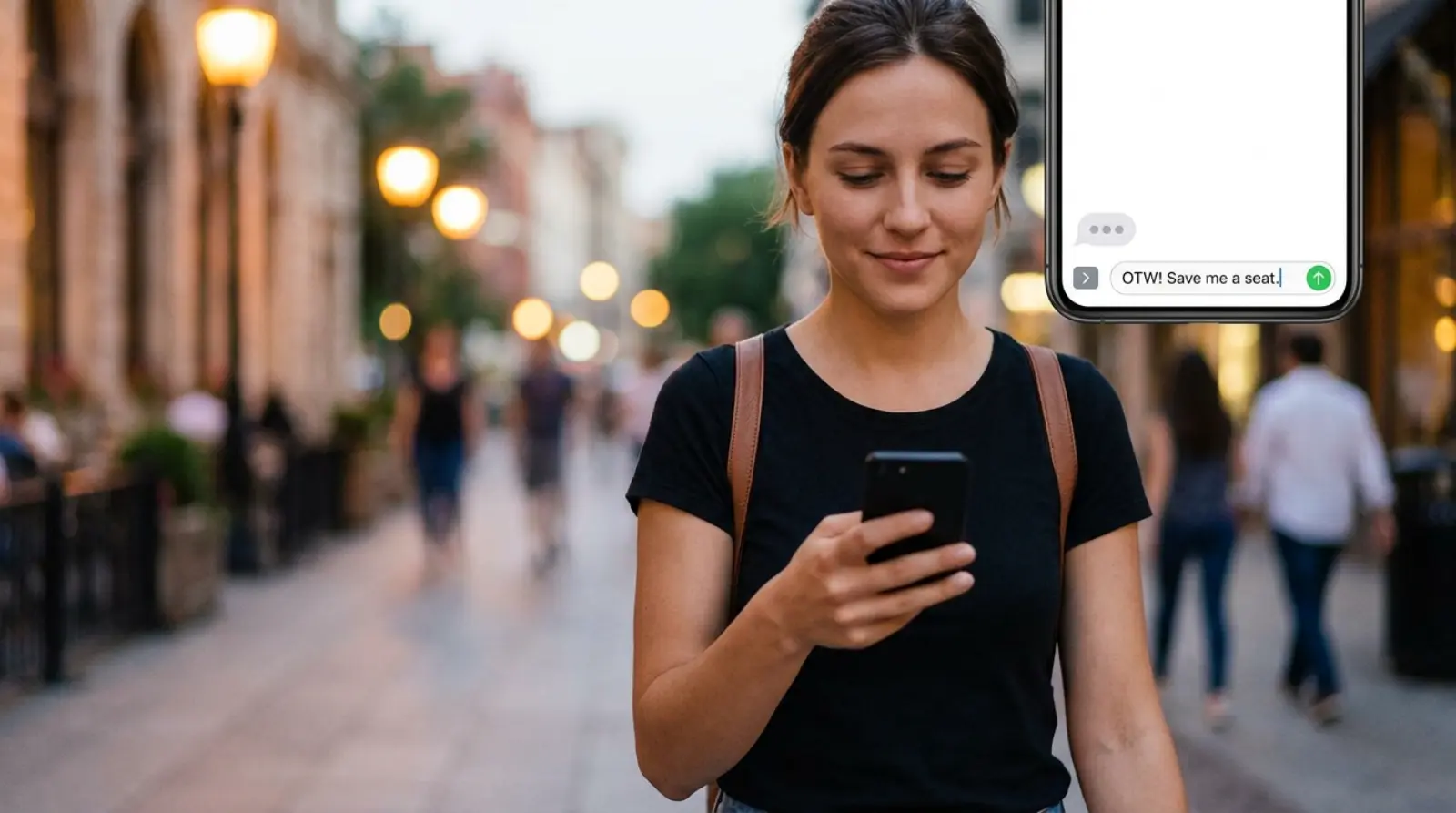
Emma: “Dinner starts at 7!”
Ryan: “OTW! Save me a seat.”
Although “On The Way” is the most common meaning, OTW can express different social intentions depending on the situation.
OTW as “I’m Coming”
This is the most literal meaning.
People use it to reassure others that they’re already heading toward them.
Example
“I’m OTW now.”
Tone: Helpful, reassuring, informative.
OTW as “I’m Leaving Right Now”
Sometimes people text OTW the moment they decide to leave—even before getting into the car.
Example
“Sorry! OTW now.”
Tone: Casual apology with reassurance.
OTW as “Please Don’t Worry”
OTW often reduces anxiety.
Instead of explaining every delay, the sender simply confirms they’re making progress.
Example
“Relax, I’m OTW.”
Tone: Comforting and calming.
OTW in Gaming
Gamers frequently use OTW while moving to help teammates.
Example
“Need backup?”
“OTW!”
Tone: Fast, cooperative, action-oriented.
OTW as Excitement
Sometimes OTW expresses anticipation rather than physical movement.
Example
“Vacation mode… OTW!”
Here it means something exciting is approaching.
Tone: Energetic and optimistic.
Other Meanings of OTW
Although On The Way dominates online conversations, OTW may have other meanings depending on the industry.
| Meaning | Where It’s Used |
|---|---|
| On The Way | Texting, social media, Snapchat, WhatsApp |
| Off The Wall | Entertainment, fashion, casual conversations |
| Over The Weekend | Workplace chats and scheduling |
| One True Way | Gaming communities and online forums |
| Overtime Win | Sports discussions |
Whenever someone sends OTW in a message, it almost always means On The Way unless the conversation clearly suggests otherwise.
Similar Slang and Related Expressions
OTW belongs to a family of texting shortcuts that help people communicate quickly.
| Expression | Meaning |
|---|---|
| ETA | Estimated Time of Arrival |
| BRB | Be Right Back |
| OMW | On My Way |
| ASAP | As Soon As Possible |
| LMK | Let Me Know |
| IDC | I Don’t Care |
| FYI | For Your Information |
| TTYL | Talk To You Later |
Among these, OMW (On My Way) is the closest synonym. Many people use OTW and OMW interchangeably.
OTW Meaning in Text & Messaging
Text messaging is built around speed. Instead of writing:
“I’m currently driving to your house and should arrive shortly.”
People simply type:
“OTW.”
That single abbreviation communicates movement, progress, and reassurance.
In Private Messages
OTW signals commitment.
“I’m OTW ❤️”
The sender wants the other person to know they’re coming.
In Group Chats
It keeps everyone updated without lengthy explanations.
“Traffic’s bad but OTW.”
During Read Receipts
Sometimes someone reads a message without replying for several minutes before finally sending:
“OTW.”
That brief reply quickly restores confidence that plans are still happening.
Origin, Evolution & Social Media Spread
OTW existed long before TikTok.
It first appeared in SMS texting during the early 2000s when mobile phones limited characters. Shortening common phrases saved both time and typing effort.
As smartphones became mainstream, OTW spread into:
- Facebook Messenger
- Instagram DMs
- Snapchat
- Discord
- Online gaming
- TikTok captions
- X (formerly Twitter)
Social media accelerated its popularity because people increasingly valued fast, effortless communication.
Today, OTW is recognized worldwide—even by many non-native English speakers who learn internet slang through memes and online videos.
Real-Life Conversations
WhatsApp Chat
Sophia: Where are you?
Jake: OTW! GPS says 12 mins.
Instagram DM
Friend: Party already started 😂
You: OTW 😂
TikTok Comments
User 1: New album tomorrow!
User 2: Happiness OTW 🔥
Gaming Chat
Player A: Need help at base!
Player B: OTW!
Emotional Pattern Behind OTW
People prefer OTW because it’s:
- Faster than full sentences
- Reassuring
- Friendly
- Informal
- Universally understood
It signals action instead of excuses.
Psychological & Emotional Dynamics
OTW communicates more than movement.
It subtly says:
- “I’m reliable.”
- “I’m making an effort.”
- “Don’t worry.”
- “I’m committed.”
Because modern communication happens quickly, people appreciate immediate reassurance.
A simple OTW often prevents unnecessary follow-up questions.
Internet slang also strengthens belonging. Using abbreviations like OTW signals familiarity with digital culture and casual communication norms.
Contextual Usage Guidelines
Social Media
Perfect for captions and comments.
“Weekend vibes OTW.”
Private Texts
The most common setting.
“I’m OTW now.”
Close Friends
Often playful.
“Pizza OTW 🍕”
Casual Acquaintances
Completely acceptable.
“Thanks! OTW.”
Professional Conversations
Use caution.
Instead of:
“OTW.”
Prefer:
“I’m on my way.”
Professional communication benefits from complete sentences.
When NOT to Use OTW
Avoid OTW in:
- Job applications
- Business emails
- Academic writing
- Formal presentations
- Conversations with people unfamiliar with texting slang
Common Misconceptions
Myth: OTW always means someone has already left.
Reality: Some people text OTW while they’re just about to leave.
Myth: OTW only refers to physical travel.
Reality: It can also describe something exciting that’s approaching.
Semantic Comparison Table
| Expression | Primary Meaning | Tone | Best Usage Context |
|---|---|---|---|
| OTW | On The Way | Casual | Texts, DMs, group chats |
| OMW | On My Way | Personal | Friends and family |
| ETA | Estimated Time of Arrival | Informative | Travel updates, work chats |
| BRB | Be Right Back | Temporary absence | Chats and gaming |
| ASAP | As Soon As Possible | Urgent | Work and quick requests |
While OTW and OMW are nearly identical, OMW emphasizes the speaker’s personal journey (“my way”), whereas OTW can refer to a person, object, delivery, or event that is heading toward a destination. ETA focuses on timing rather than movement, while BRB and ASAP communicate different intentions altogether.
Variations, Derivatives & Responding
Common Variations
- OTW 🚗
- OTW!!
- otw
- OMW
- Almost OTW
- Finally OTW
- OTWWW (playful emphasis)
Casual Replies
- See you soon!
- Sounds good.
- Drive safe!
- Great, thanks.
Funny Replies
- I’ll believe it when I see you. 😂
- GPS approved?
- Finally! 😆
- Better bring snacks.
Mature Replies
- Thanks for the update.
- No rush—travel safely.
- Appreciate the heads-up.
Generational & Regional Perspectives
Gen Z
Uses OTW constantly in texting, Snapchat, TikTok, and gaming. It also appears in captions like “Summer OTW” to describe upcoming events or trends.
Millennials
Comfortable using OTW in messaging apps, especially for coordinating plans with friends, coworkers, and family.
Older Generations
Many understand OTW but may prefer writing “I’m on my way” in full, particularly in professional or formal settings.
Global Internet Culture
Because English dominates many social platforms, OTW has spread far beyond native English-speaking countries. People around the world encounter it in memes, livestream chats, online games, and short-form videos, often adopting it even if English is their second language.
Frequently Asked Questions
What does OTW meaning in text?
OTW usually means “On The Way.” It tells someone that you’re traveling to a destination or leaving shortly.
What does OTW mean on Snapchat?
On Snapchat, OTW almost always means “On The Way,” often accompanied by photos, Bitmojis, or location updates to show someone is heading somewhere.
Is OTW the same as OMW?
They’re very similar. OMW means “On My Way,” while OTW means “On The Way.” Many people use them interchangeably, but OMW specifically refers to the speaker.
Is OTW rude?
No. OTW is considered friendly and casual. It simply provides a quick update without sounding formal.
How do you reply to OTW?
You can respond with:
- “See you soon!”
- “Drive safe!”
- “Thanks!”
- “Take your time.”
Can OTW mean something besides “On The Way”?
Yes. In certain contexts, it can stand for Off The Wall, Over The Weekend, One True Way, or Overtime Win, but in everyday texting, On The Way is by far the most common meaning.
Conclusion
The OTW meaning in text is simple yet socially meaningful. Most often, it stands for “On The Way,” letting others know that someone is traveling, leaving shortly, or making progress toward a destination.
Beyond its literal definition, OTW reflects the fast-paced nature of modern digital communication—it reassures, saves time, and helps keep conversations flowing without lengthy explanations.
If you’re replying in a WhatsApp chat, updating friends in a group message, coordinating through Instagram DMs, or calling for backup in an online game, OTW has become a trusted part of internet slang.
Understanding how and when to use it helps you communicate naturally, match the tone of the conversation, and stay connected in today’s always-on digital world.

I am Maxwell Ford, the creator of meaningosho.com, where I explore the origins and clear definitions of everyday words. I built this platform to help readers easily decode complex vocabulary and deepen their understanding of language. Through my articles, I love sharing simple, engaging insights that make learning new words both fun and useful.