
Have you ever received a message that simply says “WDYM?” and paused for a second? Maybe you wondered if the other person was confused, annoyed, joking, or asking you to explain yourself. That tiny acronym carries more emotion than many people realize.
Example Chat
Alex: I’m done with this.
Sam: WDYM?
Alex: I mean I’m quitting the game. It’s not fun anymore.
The search for WDYM meaning in text has grown because internet conversations move quickly, and abbreviations often carry hidden emotions. A simple four-letter acronym can express confusion, surprise, disbelief, or even challenge someone’s statement depending on the situation. Understanding these subtle differences helps you communicate more naturally on social media, messaging apps, and online communities.
Quick Definition & Meanings
WDYM stands for “What Do You Mean?”
People use it when they want someone to explain, clarify, or elaborate on something they just said. Although the literal meaning stays the same, the emotional tone changes depending on context, punctuation, relationship, and timing.
WDYM as Genuine Confusion
Sometimes the sender honestly doesn’t understand your message.
Example
“I got promoted but also quit.”
Reply: “WDYM?”
Here, the person simply wants more information.
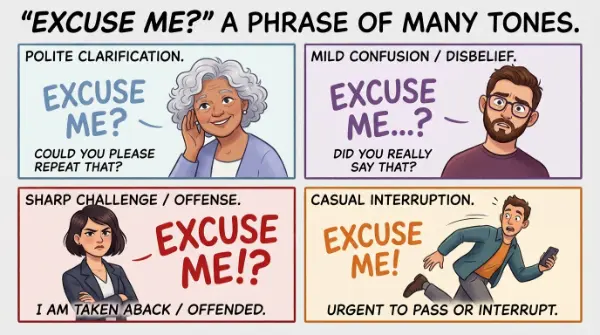
WDYM as Surprise
People often use WDYM after reading something unexpected.
Example
“I’m moving to Japan next week.”
Reply: “WDYM?? You never mentioned that!”
The extra question marks increase surprise.
WDYM as Skepticism
Sometimes WDYM politely challenges what someone said.
Example
“I’m the fastest player here.”
Reply: “WDYM? You lost every match.”
The tone becomes doubtful instead of curious.
WDYM as Playful Teasing
Among close friends, WDYM can become part of friendly banter.
Example
“I’m always nice.”
Reply: “WDYM 😂”
The laughing emoji signals humor rather than criticism.
WDYM During Flirting
In romantic conversations, WDYM may encourage someone to reveal hidden feelings.
Example
“I guess you make my day better.”
Reply: “WDYM? 😊”
Instead of rejecting the comment, the person invites more emotional honesty.
WDYM During Serious Conversations
Sometimes people use WDYM carefully to avoid assumptions.
Example
“I need some space.”
Reply: “WDYM? Did something happen?”
Here it shows concern rather than confrontation.
Other Meanings People Associate with WDYM
While “What Do You Mean?” is overwhelmingly the standard meaning, people may interpret it slightly differently depending on context:
- What exactly do you mean?
- Can you explain that?
- I’m confused.
- Could you clarify?
- I don’t understand.
- What are you trying to say?
- Are you serious?
- Can you be more specific?
All of these reflect the same core idea: requesting clarification.
Similar Expressions Related to WDYM
Internet users frequently use these alternatives:
- What do you mean?
- Explain.
- Clarify please.
- Can you elaborate?
- Huh?
- Wait, what?
- I’m confused.
- How so?
- What are you talking about?
- Come again?
- Say more.
- Can you explain that?
Related texting abbreviations include:
- WYM – What You Mean?
- HUH – Expression of confusion
- FR? – For Real?
- IDC – I Don’t Care
- IMO – In My Opinion
- TBH – To Be Honest
- NGL – Not Gonna Lie
- IKR – I Know, Right?
WDYM Meaning in Texting & Messaging
Text conversations remove facial expressions and vocal tone, making abbreviations incredibly useful.
Private Chats
WDYM usually signals genuine curiosity.
“I didn’t expect that.”
“WDYM?”
The conversation slows naturally until clarification arrives.
Group Chats
In busy group conversations, WDYM helps everyone stay on the same page.
Someone makes an inside joke.
Another replies:
“WDYM?”
Now the whole group benefits from the explanation.
Instant Messaging
Apps like WhatsApp, Messenger, Discord, and iMessage encourage short responses.
Instead of typing:
“Could you please explain what you meant?”
Most people simply write:
“WDYM?”
It saves time while keeping the conversation moving.
Origin, Evolution & Social Media Spread
WDYM became popular during the rise of texting in the early 2000s when SMS character limits encouraged shorter messages.
As smartphones replaced traditional texting, abbreviations like LOL, BRB, IMO, TBH, and WDYM became everyday internet language.
Gaming communities also helped normalize quick abbreviations because players needed fast communication during matches.
Later, platforms like TikTok, Snapchat, Instagram, X (formerly Twitter), Reddit, and Discord accelerated its popularity. Viral videos, reaction memes, livestream chats, and comment sections exposed millions of users to shorthand expressions that spread almost overnight.
Unlike many slang terms that change meaning dramatically, WDYM has remained remarkably consistent because it fulfills a basic communication need—asking someone to explain themselves.
Real-Life Conversations
WhatsApp Chat
Emma: I don’t think we’re on the same page.
Jake: WDYM?
Emma: I mean we’ve been misunderstanding each other lately.
Instagram DM
Chris: That caption was definitely about someone.
Taylor: WDYM 😂
Chris: Don’t pretend you don’t know.
TikTok Comments
User 1: “This changed my life.”
User 2: “WDYM?”
1: “The advice helped me leave a toxic relationship.”
Discord Gaming Chat
Player 1: We’re throwing.
Player 2: WDYM?
1: We should defend instead of rushing.
Emotional Pattern
People choose WDYM because it sounds faster, more natural, and less formal than writing a full sentence. It also keeps conversations flowing without interrupting the emotional rhythm of digital communication.
Psychological & Emotional Dynamics
Using WDYM often signals:
- Curiosity
- Engagement
- Active listening
- Mild disbelief
- Emotional investment
- Desire for clarity
Rather than ignoring confusing messages, asking “WDYM?” shows you’re paying attention.
Slang also creates social belonging. People who understand abbreviations often feel more connected to online communities, while newcomers gradually learn these expressions through repeated exposure.
Contextual Usage Guidelines
Social Media
WDYM is common in comments, replies, and public discussions where conversations move quickly.
Private Texts
It feels natural between friends, partners, classmates, and family members.
Close Friends
Among close friends, WDYM often includes humor, memes, or emojis.
“WDYM 😂”
The emoji softens the tone.
Casual Acquaintances
Keep the wording polite.
“WDYM?”
Simple and neutral works best.
Professional Settings
Avoid WDYM in formal emails or workplace communication.
Instead say:
- Could you clarify?
- Could you explain further?
- Would you mind elaborating?
Matching the other person’s communication style helps conversations feel respectful and natural.
When NOT to Use It & Misconceptions
Avoid WDYM:
- During professional emails
- In academic writing
- When speaking with people unfamiliar with internet slang
- During emotionally heated arguments where it may sound confrontational
- In customer service situations requiring formal language
Common Misconceptions
Myth: WDYM is always rude.
Reality: Tone depends entirely on context.
Myth: Only Gen Z uses WDYM.
Reality: Millennials, gamers, professionals, and social media users of many ages recognize it.
Myth: WDYM always shows disagreement.
Reality: Most of the time, it simply requests clarification.
Semantic Comparison Table
| Expression | Primary Meaning | Tone | Best Usage Context |
|---|---|---|---|
| WDYM | What do you mean? | Neutral, curious | Text messages and DMs |
| WYM | What you mean? | Casual | Friends and social media |
| Huh? | Didn’t understand | Informal | Quick conversations |
| Can you clarify? | Request explanation | Professional | Work and formal communication |
| What exactly do you mean? | Ask for details | Polite but direct | Serious discussions |
Although these expressions seem similar, each creates a different impression. WDYM feels modern and conversational, while “Can you clarify?” sounds professional. WYM is even more casual, and “Huh?” works best among close friends.
Variations, Derivatives & Responding
Common Variations
- WYM
- WDYM??
- WDYM 😂
- WDYM lol
- WDYMMM
- wdym (lowercase)
- WDYM bro
- WDYM fr?
Casual Replies
- Let me explain.
- I meant…
- Basically…
- Here’s what I was trying to say.
Funny or Sarcastic Replies
- I knew you’d ask.
- Read it again 😂
- Exactly what I said.
- Plot twist—you’ll find out soon.
Mature & Direct Replies
- Thanks for asking. What I meant was…
- I should have explained that better.
- Let me clarify my point.
- Here’s some additional context.
Generational & Regional Perspectives
Gen Z
Uses WDYM naturally across TikTok, Snapchat, Discord, and Instagram. It’s part of everyday digital vocabulary.
Millennials
Comfortable using WDYM, especially in texting and workplace chats with colleagues they know well.
Older Generations
Some recognize it, while others prefer writing the full phrase, “What do you mean?”
Global Internet Culture
Millions of non-native English speakers learn WDYM through gaming, YouTube, TikTok, Reddit, and international social media. Because it’s short and easy to remember, it has become part of global internet English.
Frequently Asked Questions
What does WDYM meaning in text?
WDYM stands for “What Do You Mean?” It asks someone to explain or clarify what they said.
Is WDYM rude?
No. It’s usually neutral. Tone depends on punctuation, emojis, and context.
What does WDYM mean on TikTok?
On TikTok, WDYM typically asks creators or commenters to explain a statement, joke, trend, or opinion.
How do you reply to WDYM?
Simply explain your original message with more detail.
Is WDYM the same as WYM?
Almost. Both ask for clarification, but WYM is a shorter, more casual version.
Can I use WDYM in professional emails?
It’s better to avoid it. Use “Could you clarify?” or “Could you explain further?” instead.
Conclusion
Understanding WDYM meaning in text goes beyond memorizing an acronym. While it literally means “What Do You Mean?”, the real meaning depends on relationships, emotions, timing, and digital context.
It can express honest curiosity, surprise, playful teasing, skepticism, or genuine concern—all with just four letters.
As online communication continues to evolve, abbreviations like WDYM make conversations faster while still carrying emotional depth. Knowing when and how to use them helps you communicate more naturally across texting, social media, gaming, and everyday digital life.
If you’re chatting with close friends or navigating internet culture for the first time, understanding WDYM meaning in text gives you another tool for reading between the lines of modern communication.

I am Maxwell Ford, the creator of meaningosho.com, where I explore the origins and clear definitions of everyday words. I built this platform to help readers easily decode complex vocabulary and deepen their understanding of language. Through my articles, I love sharing simple, engaging insights that make learning new words both fun and useful.